PARTNERSHIPS
Power Hungry? There's a Fuel Cell for That
FuelCell Energy and Fit Energy strike a deal for up to 380 MW of clean fuel cell power for US data centers
30 Jun 2026
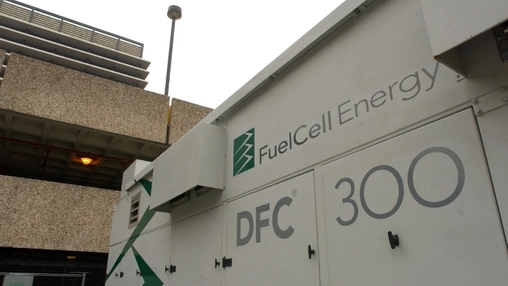
FuelCell Energy and Fit Energy have agreed a strategic partnership to supply up to 380 megawatts of fuel cell power to data centres across the United States, the companies said on June 24. An initial 30MW commitment is set to begin deployment later this year.
Under the agreement, Fit Energy receives performance-based warrants tied to project milestones, giving the company a financial stake that depends on verified progress rather than fixed payments. The structure is designed to align both parties through each stage of rollout, from initial deployment to full-scale operation across the contracted capacity.
"We are pleased to partner with Fit Energy," said Jason Few, president and chief executive of FuelCell Energy, citing the company's "commitment to energy as a service power solutions."
That model, in which a specialist provider owns and operates generation assets while customers pay for power as a service, shifts capital risk away from data centre operators. Demand for such arrangements has grown as computing facilities, particularly those built for artificial intelligence workloads, outpace the capacity of conventional electricity grids to connect them quickly.
Fuel cells generate electricity on-site through a chemical reaction rather than combustion, producing fewer direct emissions than diesel generators commonly used for backup power. They can also run continuously, rather than only during outages, making them a candidate for primary or supplementary power at facilities with round-the-clock demand.
At up to 380MW, the agreement ranks among the larger clean energy commitments earmarked for data centre use disclosed so far this year. Power availability has become one of the central constraints on data centre construction in the US, with utilities in several states reporting multi-year waits for new grid connections.
Whether energy-as-service arrangements become a standard financing model for the sector remains unsettled. Their spread will likely depend on whether fuel cell economics hold up against grid power and battery storage at scale, and on how quickly developers can secure the natural gas or hydrogen feedstock the systems require.
Related News


topics on the agenda
THE DATA CENTER POWER BOOM IS FINALLY THE MOMENT TO TEST CCS
Day 1: TBC
09:00 - 09:25
COMMUNITY AND STAKEHOLDER ENGAGEMENT: THE PATH TOWARD OVERCOMING MISCONCEPTIONS ABOUT CCS
Day 1: TBC
09:30 - 09:55
PANEL DISCUSSION ON DEVELOPING A STRATEGIC FRAMEWORK FOR THE COMMERCIALIZATION OF CARBON CAPTURE, UTILIZATION, AND STORAGE
Day 1: TBC
11:00 - 11:30
SUBSCRIBE FOR UPDATES
By submitting, you agree to receive email communications from the event organizers, including upcoming promotions and discounted tickets, news, and access to related events.